Drywall Repair Guide: How To Fix Holes and Cracks
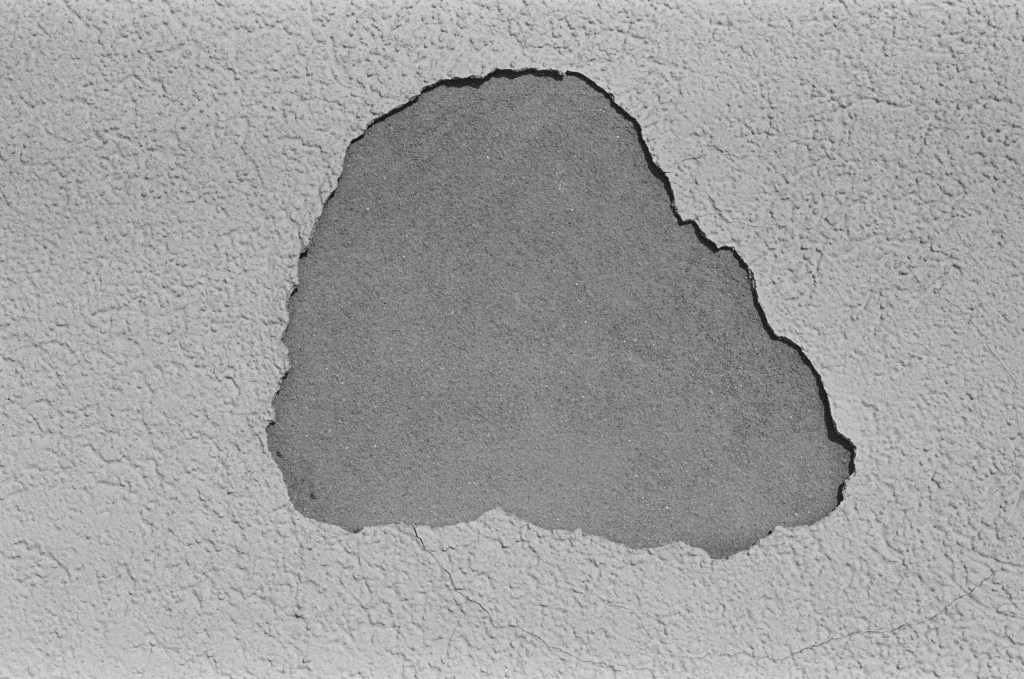
Learn how to repair drywall with simple DIY methods for holes, cracks, and surface damage. This guide covers common drywall repairs and when it’s best to call a professional for help.
Common Drywall and Essential Tools
Common Drywall Repairs
Many common home repairs can be handled with basic tools and a little time. Addressing small issues early helps prevent larger, more costly problems.
- Fixing small holes from nails or anchors
- Repairing cracks along seams or corners
- Patching larger holes or damaged sections
- Smoothing uneven or rough surfaces before painting
Essential Tools for Drywall Repairs
Having the right tools makes DIY home repairs easier and more efficient. A basic toolkit allows you to handle common fixes, maintenance tasks, and small projects around your home with confidence.
- Joint compound — Fills holes, cracks, and surface damage
- Putty knife — Applies and smooths compound evenly
- Sandpaper or sanding block — Smooths dried compound for a clean finish
- Drywall patch kit — Repairs larger holes and damaged areas
- Utility knife — Cuts drywall and removes damaged sections
- Drywall tape — Reinforces seams and prevents cracks
- Sanding sponge — Helps smooth corners and tight areas
- Tape measure — Ensures accurate cuts and patch sizing
- Pencil — Marks repair areas before cutting or patching
Repairing Cracks and Surface Damage
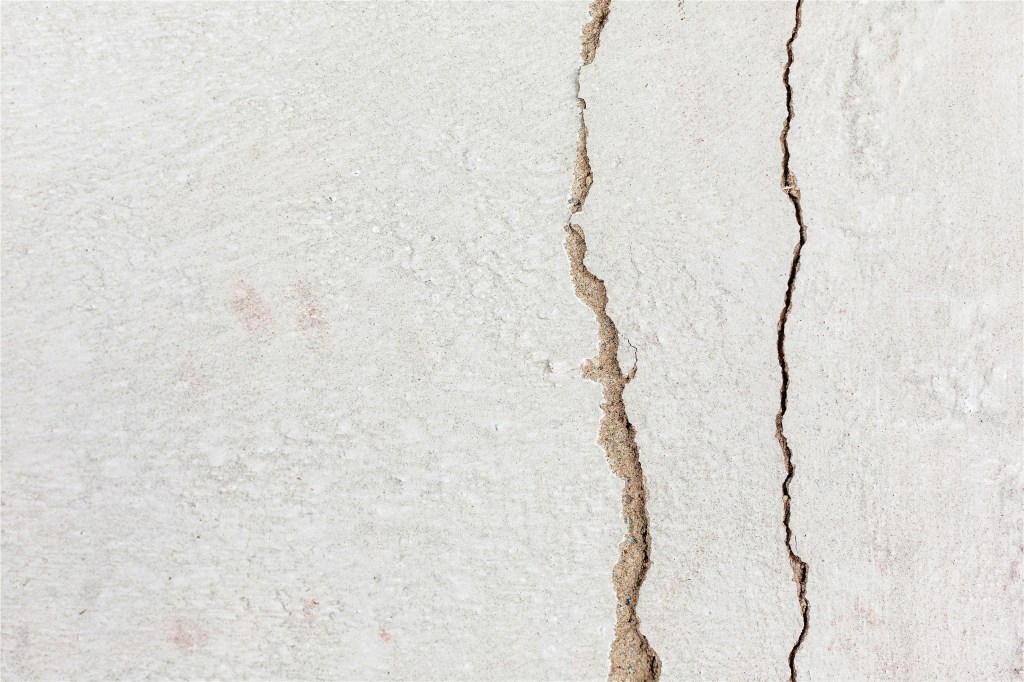
Cracks and surface damage in drywall can often be repaired with joint compound and basic tools, but it’s important to determine whether the issue is cosmetic or structural. Signs like widening cracks, recurring damage, or uneven surfaces may indicate a larger problem. If you’re unsure, contact us for an estimate for inspection and repair.
Repairing Damaged Drywall Edges and Seams
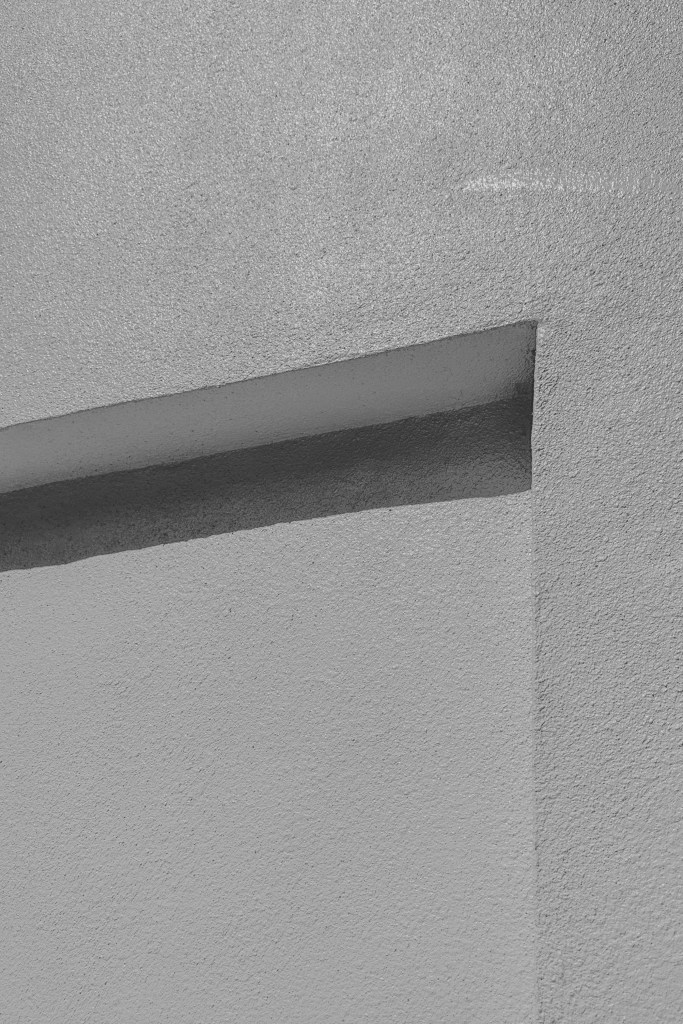
Damaged drywall edges and seams can lead to visible gaps and uneven surfaces if not properly repaired. Apply joint compound and drywall tape to reinforce weak areas, then sand smooth for a clean finish. If damage continues to return or appears uneven across larger sections, request a free estimate for professional drywall repair.
When To Call a Handyman
While small drywall repairs can be handled with basic tools, larger damage may require professional experience. Issues like large holes, recurring cracks, water damage, or uneven surfaces can indicate a more complex problem. If you’re unsure or want a clean, lasting finish, request a free estimate for professional drywall repair.
Need Help with a Repair Project?
If your repair is bigger than expected, get a free estimate for reliable handyman services.
 Cadillac Home services