Water Damage Repair
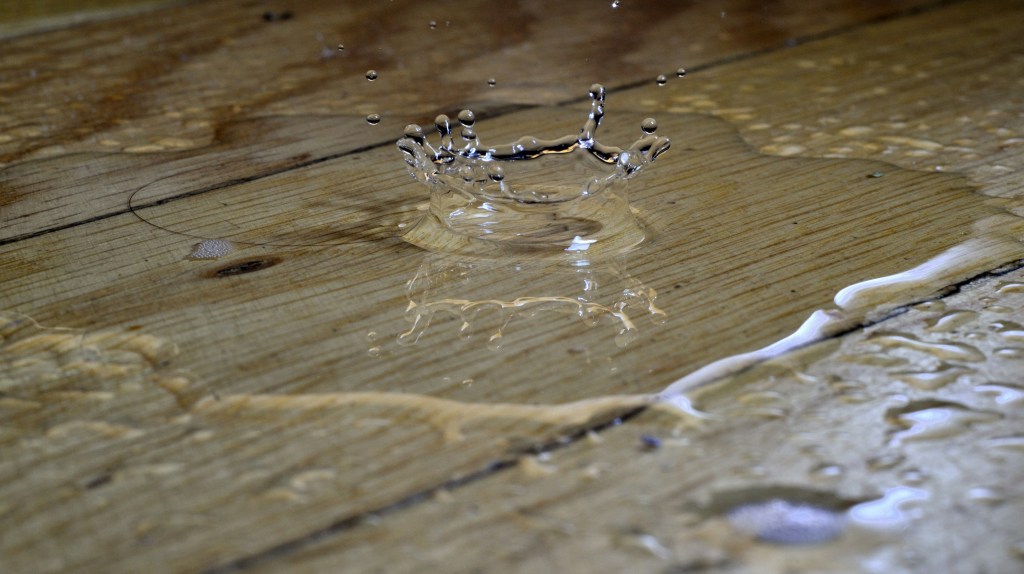
Water damage can affect your home from leaks, moisture buildup, and seasonal conditions. This guide covers common causes of water damage, how to prevent it, and when to call a professional for repair.
Common Causes of WaterDamage and Essential Tools
Common Causes of Water Damage
Water damage can occur from a variety of sources, including leaks, poor drainage, and excess moisture buildup. Identifying the cause early helps prevent further damage and reduces the need for more extensive repairs.
- Leaking pipes, faucets, or fixtures
- Roof leaks or damaged shingles
- Clogged or overflowing gutters
- Basement moisture and foundation cracks
- Appliance leaks (water heaters, washing machines)
- Poor ventilation leading to condensation buildup
Essential Tools for Water Damage Repair
Having the right tools helps you identify, manage, and repair water damage effectively. A basic toolkit allows you to detect moisture, remove water, and prevent further damage to your home.
- Moisture meter — Detects hidden moisture in walls and surfaces
- Wet/dry vacuum — Removes standing water quickly
- Dehumidifier — Reduces moisture and helps prevent mold growth
- Fans or air movers — Speeds up drying of affected area
- Utility knife — Cuts out damaged drywall or materials
- Caulking gun — Seals gaps to prevent future leaks
- Plumber’s tape — Secures pipe connections and reduces leaks
- Bucket and towels — Cleans up minor water spills and leaks
- Gloves and protective gear — Protects hands during cleanup and repair
Repairing Water Damaged Walls and Surfaces
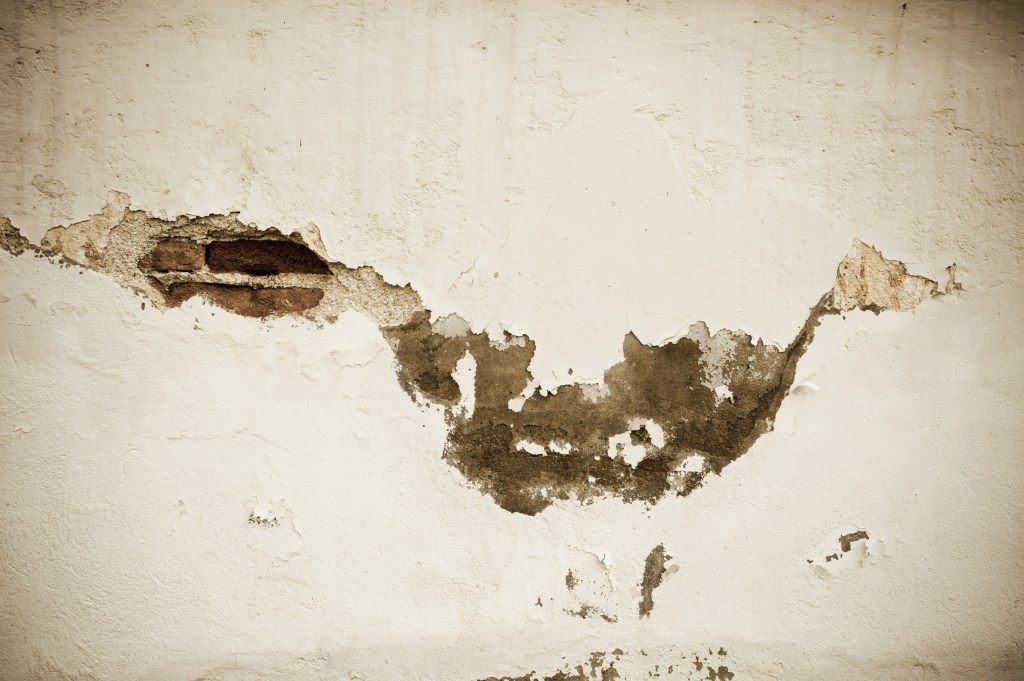
Water-damaged walls and surfaces should be dried and repaired as soon as possible to prevent further deterioration. Remove any saturated materials, allow the area to fully dry, and repair with appropriate materials such as drywall compound or replacement sections. If damage appears widespread or continues to return, request a free estimate for professional water damage repair.
How To Fix Common Winter Water Damage
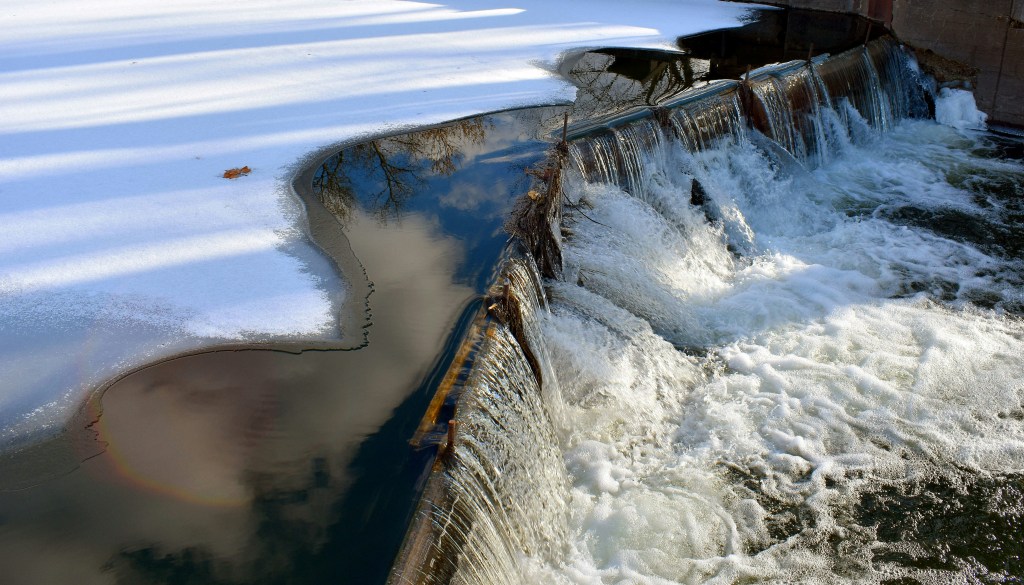
Fixing winter water damage starts with identifying the source and stopping further moisture intrusion. Address issues like frozen pipes, roof leaks, or condensation early to prevent structural damage and costly repairs.
- Thaw frozen pipes safely — Use warm air (not open flame) to gradually thaw pipes and restore water flow
- Shut off water for leaks — Turn off the main supply if a pipe has burst to prevent further damage
- Dry affected areas quickly — Use fans and dehumidifiers to remove moisture from walls, floors, and ceilings
- Remove damaged materials — Cut out soaked drywall or insulation to prevent mold growth
- Seal gaps and cracks — Apply caulk or insulation to prevent cold air and moisture from entering
- Check for mold or recurring moisture — Monitor areas for lingering dampness or damage
When To Call a Handyman
While minor water damage can sometimes be handled with basic tools, larger issues often require professional repair. Persistent leaks, structural damage, mold growth, or recurring moisture can indicate a more serious problem. If you’re unsure of the extent of the damage, request a free estimate for professional water damage repair to ensure your home is properly restored.
Need Help with a Repair Project?
If your repair is bigger than expected, get a free estimate for reliable handyman services.
 Cadillac Home services