DIY Home Repair Guide: Simple Fixes Every Homeowner Should Know
Learn how to handle common home repairs with simple DIY solutions. This guide covers easy fixes you can do yourself and when it’s best to call a professional for help.
Common DIY Home Repairs and Essential Tools
Common DIY Home Repairs
Many common home repairs can be handled with basic tools and a little time. Addressing small issues early helps prevent larger, more costly problems.
- Tightening loose fixtures and hardware
- Sealing minor leaks around sinks and pipes
- Replacing worn or damaged caulking
- Fixing squeaky doors and hinges
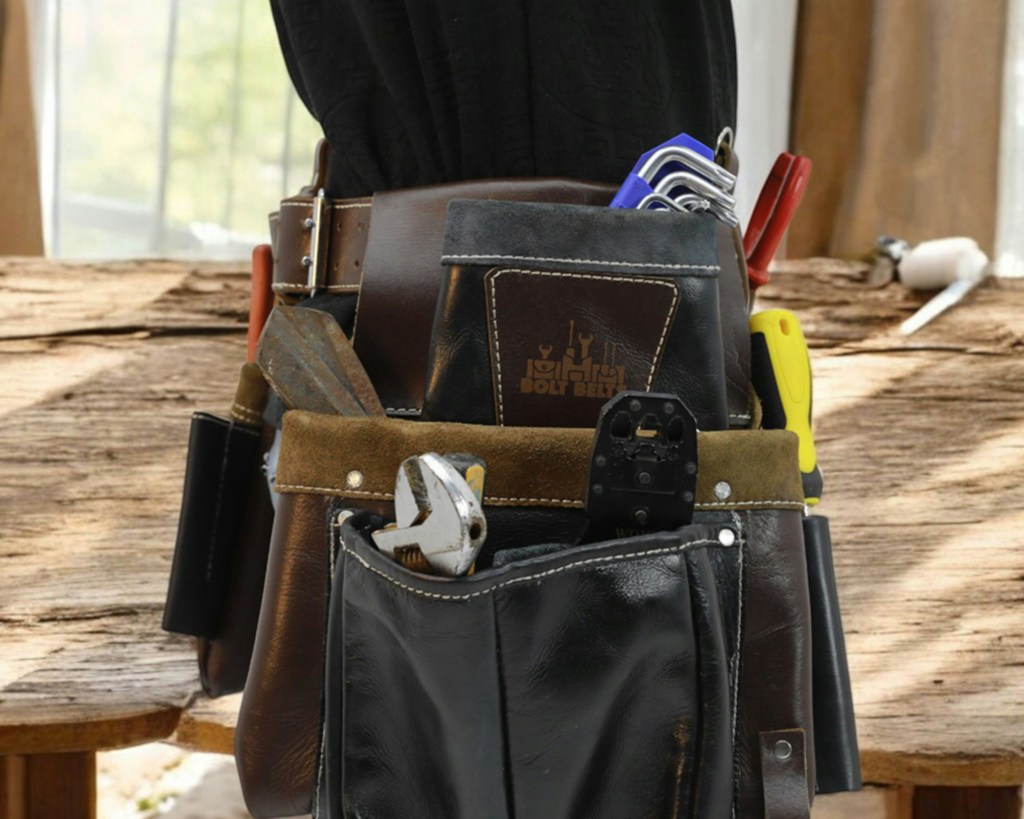
Essential Tools for DIY Home Repairs
- Screwdriver set (flathead & Phillips) — Tightening loose fixtures, hardware, and hinge screw
- Adjustable wrench — Securing or loosening pipe fittings for minor leak repairs
- Caulking gun — Applying new caulk to seal gaps around sinks, tubs, and fixtures
- Utility knife — Removing old or damaged caulking before applying new sealant
- Pliers — Gripping, holding, or turning small components during repairs
- Lubricant (WD-40 or similar) — Eliminating squeaks in doors, hinges, and moving parts
- Hammer — Light tapping for adjustments or securing loose materials
- Tape measure — Measuring areas for accurate repairs or replacements
- Pencil — Marking measurements, alignment points, and repair areas before starting work
Having the right tools makes DIY home repairs easier and more efficient. A basic toolkit allows you to handle common fixes, maintenance tasks, and small projects around your home with confidence.
Sealing Minor Leaks Around Hoses and Pipes
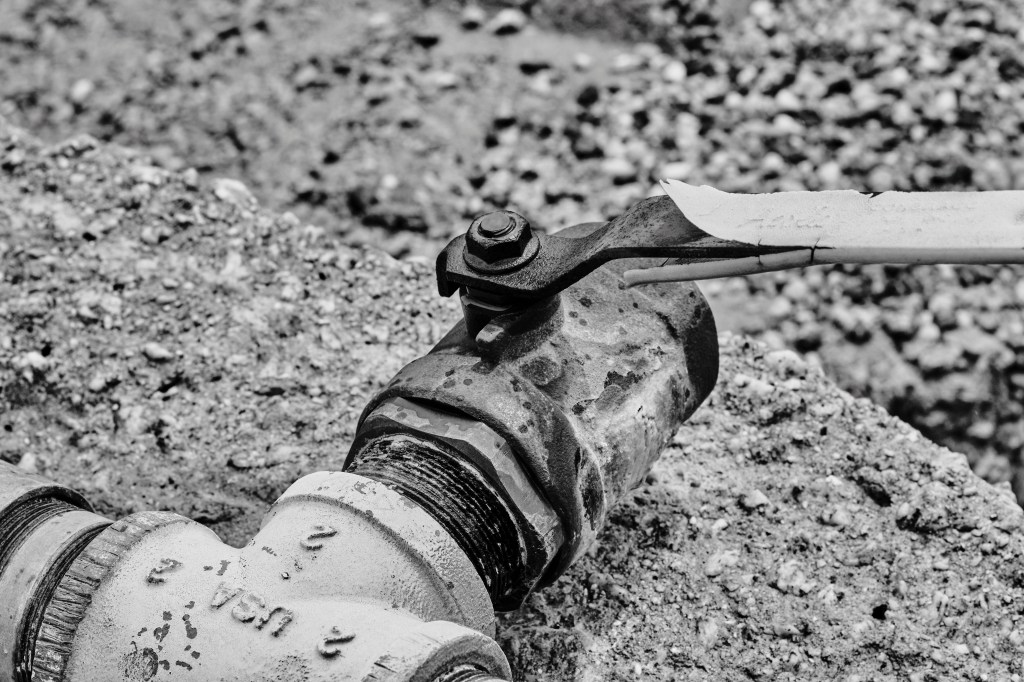
Minor leaks around hoses and pipes can often be fixed by tightening connections or replacing worn washers and seals. Check for loose fittings and use plumber’s tape to create a secure seal. If leaks continue or you notice corrosion or damage, it’s best to contact a professional handyman for proper repair.
Replacing Worn or Damaged Caulking
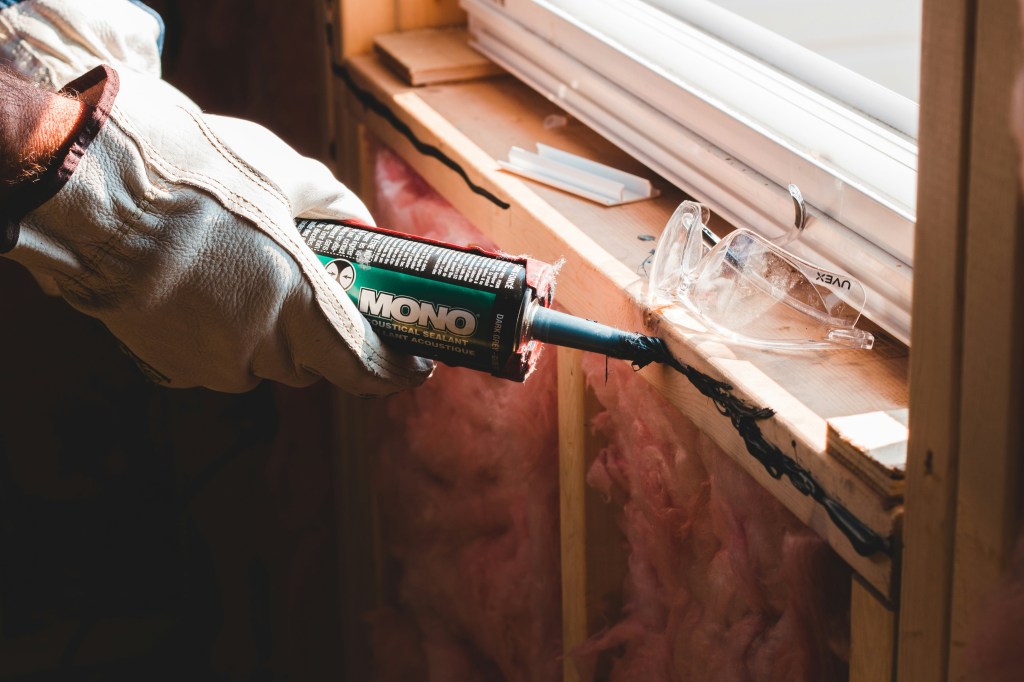
Worn or cracked caulking around sinks, tubs, and fixtures can allow moisture to seep in and cause damage over time. Remove old caulk with a utility knife, clean the area thoroughly, and apply a new bead using a caulking gun to create a tight, watertight seal. Regularly replacing caulking helps prevent water damage and keeps your home protected.
When To Call a Handyman
Some repairs require professional tools and experience. For electrical work, persistent leaks, or larger repairs, hiring a handyman ensures the job is completed safely and correctly. If a project becomes more complex than expected, it’s best to contact a professional for reliable service.
Need Help with a Repair Project?
If your repair is bigger than expected, get a free estimate for reliable handyman services.
 Cadillac Home services